

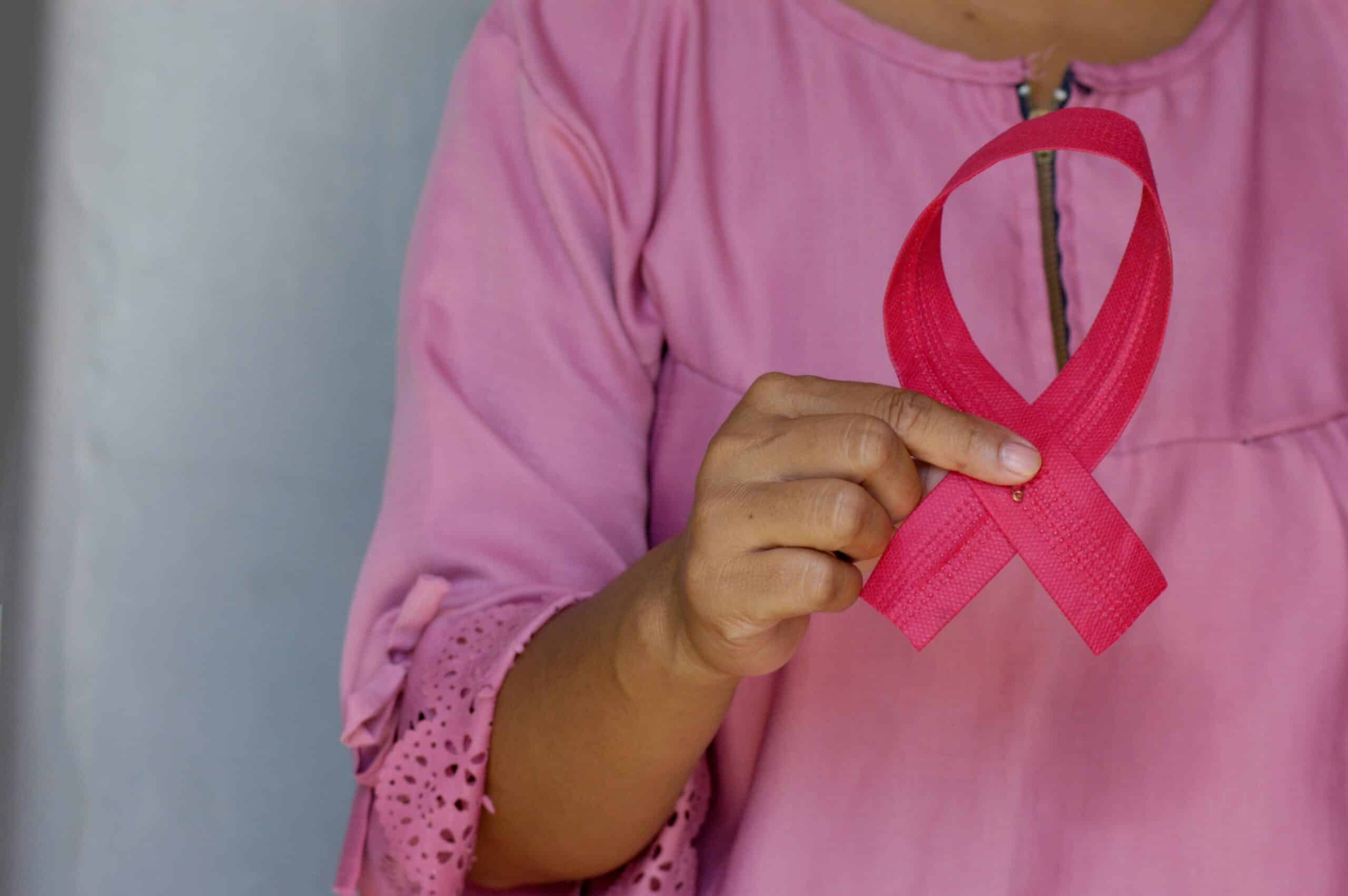
October is Breast Cancer Awareness Month, a time to advance education on a cancer that affects one in eight American women. Skin, Bones, Hearts & Private Parts offers top women’s health CME courses that help NPs, PAs, RNs, and physicians close knowledge gaps and improve patient outcomes. Three remaining 2026 in-person conferences (Orlando, Denver, Las Vegas) include full-day women’s health programming, with online women’s health CME courses available year-round.
What Is Breast Cancer Awareness Month?
October is Breast Cancer Awareness Month (BCAM), a time to increase education and awareness about a cancer that impacts more than 380,000 people each year in the U.S. That is the equivalent of about one in eight women. Breast cancer is the most common cancer in American women, in fact, except for skin cancers. Awareness is the first step toward taking meaningful action, and Skin, Bones, Hearts & Private Parts is proud to participate in this important awareness month as a leading provider of continuing medical education (CME).
Why Breast Cancer Awareness Matters for Women’s Health CME Courses
Focused efforts work. Since the first BCAM more than 40 years ago, breast cancer death rates in the U.S. have dropped by 44%. It is not a coincidence that greater awareness, increases in early detection, and advancements in treatment have coincided with the rise of BCAM. These efforts show that when we raise awareness, we can save lives.
For clinicians, that progress is a reminder that women’s health CME courses are more than a credential requirement. Every course that updates an NP’s or PA’s knowledge of screening guidelines, risk factors, and emerging research translates into earlier detection and better outcomes for the patients they serve.
How Patients Can Protect Their Breast Health Year-Round
What can people do throughout the year to make a difference in their own breast health? Both women and men should know their risk. Yes, men do get breast cancer, although at significantly lower rates than women. Beyond knowing personal risk, people should:
- Get screened by scheduling a mammogram every year starting at age 40
- Learn what their breasts normally feel like so changes are easier to notice
- Make healthy lifestyle choices around diet, exercise, and alcohol intake
- Take action to support research and funding for what can be a deadly diagnosis
These steps help individuals take ownership of their breast health, and women’s health CME courses equip clinicians to counsel patients effectively on each of them.
The Research: Why Women’s Health CME Courses Close Knowledge Gaps
Education can be critical in making decisions about screening. A study titled “Effect of an educational intervention on women’s healthcare provider knowledge gaps about breast density, breast cancer risk, and screening” identified important knowledge gaps about implications of breast density among women’s healthcare providers. The research also showed that these deficiencies can be effectively addressed with web-based education. For example:
- Pretest, 56.5% of providers knew women with extremely dense breasts have four-to-six-fold greater breast cancer risk than those with fatty breasts, compared to 96.6% posttest
- Pretest, 29.4% knew risk increases with increasing amount of glandular tissue, compared to 63.3% posttest
- Pretest, only 5.6% knew 3D/tomosynthesis does not improve cancer detection in extremely dense breasts over 2D mammography, compared to 88.1% posttest
- Pretest, 70.6% would consider supplemental ultrasound after mammography in an average-risk 50-year-old with dense breasts, compared to 88.1% posttest
- Comfort in navigating patient discussions about breast density impact on breast cancer risk, masking cancer detection on mammography, and appropriate consideration of supplemental screening all increased significantly from pretest to posttest
These findings make a strong case for consistent, high-quality women’s health CME courses. The right education meaningfully improves provider confidence and patient outcomes alike.
Bringing Women’s Health CME Courses to YOU
At Skin, Bones, Hearts & Private Parts, we know that education is key to positive outcomes for patients. That is why we make women’s health a consistent part of our CME curricula, both at our in-person CME conferences and via our online CME options. Our women’s health CME courses are designed to deliver evidence-based clinical content NPs and PAs can apply immediately in practice.
In-Person Women’s Health CME Courses: 2026 Conference Schedule
In 2026, all three of our remaining in-person conferences have a full day dedicated to men and women’s health. Attendees can earn up to 39 CME credits per event (26 in-person or virtual, plus up to 13 with free online CME after the conference):
- October 19-22, 2026: Orlando, FL
- October 27-30, 2026: Denver, CO
- November 10-13, 2026: Las Vegas, NV
Each destination pairs rigorous women’s health content with the chance to combine CME with a working getaway, making these conferences a top choice for clinicians who value both quality and flexibility.
Online Women’s Health CME Courses for Flexible Learning
If in-person attendance is not feasible this year, online women’s health CME courses deliver the same expert content on your schedule. Our On-Demand CME includes a women’s health-focused CME package worth up to 11.75 CME credit hours. The “Best of the Best” series, worth up to 29.25 CME credit hours, packages some of our best presentations from our 2025 and 2026 in-person CME conferences. Both options feature women’s health speakers and topics.
For NPs and PAs focused specifically on gender-inclusive women’s health content, our On-Demand by Topic Men and Women’s Health 2026 library is another strong path to earning credits quickly.
Free Women’s Health Learning Through the Master Clinician Series
Our Master Clinician Series also includes several sessions on women’s health. While you cannot earn CME credits through these sessions, the previously recorded 30-minute webinars are available for FREE. That makes them a great way for anyone looking for consistent learning without a financial commitment, especially during Breast Cancer Awareness Month when education matters most.
Frequently Asked Questions About Women’s Health CME Courses
What are women’s health CME courses?
Ultimately, women’s health CME courses are continuing medical education programs focused on the clinical topics that affect women differently or exclusively. In particular, these courses cover breast health, perimenopause and menopause, contraception, pelvic health, and sexual health topics for NPs, PAs, RNs, and physicians.
How can women’s health CME courses improve breast cancer outcomes?
Notably, research shows targeted women’s health CME courses close important knowledge gaps around breast density, cancer risk, and screening recommendations. As a result, clinicians who complete these courses are better equipped to counsel patients and identify high-risk individuals earlier.
When is Breast Cancer Awareness Month?
Currently, Breast Cancer Awareness Month runs every October. Each year, the month focuses on raising awareness, promoting early detection, and funding research into a disease that affects more than 380,000 Americans annually.
Where can I take women’s health CME courses in 2026?
To start, Skin Bones offers three remaining in-person conferences in 2026 with full-day women’s health programming: Orlando (October 19 to 22), Denver (October 27 to 30), and Las Vegas (November 10 to 13). Additionally, online women’s health CME courses are available year-round through on-demand and Best of the Best packages.
How many CME credits can I earn through women’s health CME courses?
Specifically, in-person conferences deliver up to 39 CME credits per event. In addition, the on-demand women’s health CME package offers up to 11.75 credit hours, and the Best of the Best series provides up to 29.25 credit hours.
Are there free women’s health CME options?
Absolutely. In fact, the Skin Bones Master Clinician Series offers free 30-minute webinars on women’s health topics. However, these sessions do not provide CME credit, so they are best used as supplemental learning rather than a path to credit requirements.
Why should NPs and PAs prioritize women’s health CME courses?
Notably, NPs and PAs serve as primary points of contact for many women’s health concerns, from breast health counseling to contraception and menopause management. Specifically, strong women’s health CME courses equip them with the current clinical knowledge needed to deliver safe, effective, evidence-based care.

Advance Women’s Health Care With Expert-Led CME Courses
Whether you take in an in-person CME Conference at a destination location, or via our online courses, like our Best of the Best of 2026, or virtual CME conferences, such as our Encore Virtual CME event series, you will learn from the best of the medical community as you earn CME credits, network, and gain knowledge on cardiology and emergency medicine, obesity, dermatology, diabetes, orthopedics, and men and women’s health. We also offer the best value per CME credit in the CME training industry.
Ready to honor Breast Cancer Awareness Month with meaningful action? Choose the women’s health CME courses that fit your schedule and take the next step in advancing care for the women in your practice.